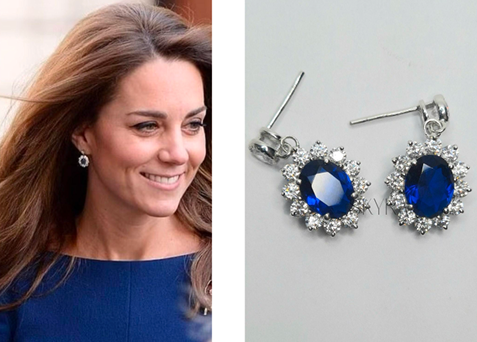
Kate Middleton’s Sapphire Earrings

reviewer

CrestGems's journey began over two decades ago with a simple yet profound mission: to source and provide the finest colored gemstones while upholding the highest standards of quality and integrity. Our founders, with a deep appreciation for the natural beauty and rarity of gemstones, set out to create a platform where gemstone enthusiasts and collectors could find exceptional pieces.

Princess Eugenie’s Engagement Ring

reviewer

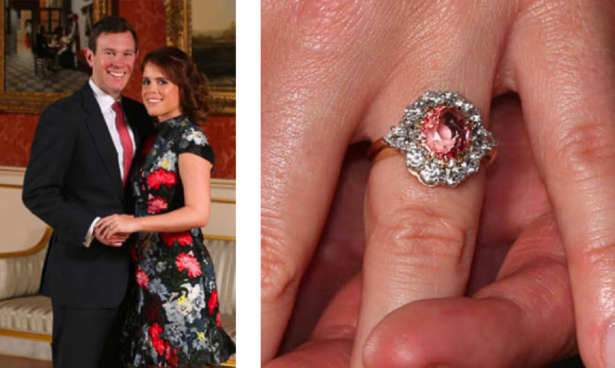
Princess Eugenie's engagement ring features a rare padparadscha sapphire, renowned for its unique pinkish-orange hue reminiscent of a lotus blossom. This gemstone is celebrated in Eastern cultures for symbolizing balance and harmony, making it a meaningful choice for engagement. The rarity of padparadscha sapphires enhances their allure, representing not only personal style but also deep cultural resonance. By choosing such a distinctive gem, Princess Eugenie honors her heritage while embracing the spiritual significance attributed to these exquisite stones.

Amitabh Bachchan Blue Sapphire 

reviewer

Amitabh Bachchan, the iconic figure of Indian cinema, is known for his remarkable acting and personal beliefs in astrology, particularly regarding gemstones. He prominently wears a blue sapphire ring, or Neelam stone, on the middle finger of his right hand, which he believes brings good fortune and mitigates challenges associated with the planet Saturn. This stunning gemstone, part of the corundum family, is valued for its clarity and vivid blue hue. Bachchan began wearing the Neelam stone during a challenging period in his life after consulting an astrologer, attributing some of his career resilience and success to its celestial benefits. His choice reflects a belief in the power of gemstones to influence fortune, making his ring a symbol of both personal faith and celebrity culture in contemporary India.
Penélope Cruz’s Blue Sapphire Earrings

reviewer

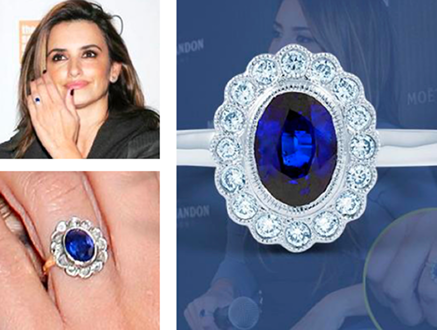
Penélope Cruz's engagement ring, a stunning 3-carat oval-cut blue sapphire set in a flower-shaped diamond halo, beautifully reflects her elegance and personal style. Proposed to by actor Javier Bardem, this exquisite ring is valued at around $30,000 and showcases the timeless appeal of sapphires, which have long been associated with truth, sincerity, and wisdom. Historically favored by royalty and clergy as symbols of divine blessing, sapphires embody loyalty and fidelity—qualities that resonate deeply in the context of love and commitment.

Countess Mona Von - Bismarck Sapphire Necklace 

reviewer

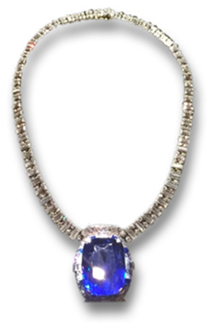
The Bismarck Sapphire Necklace is a stunning piece of jewelry featuring a captivating 98.56-carat cornflower blue sapphire surrounded by diamonds, famously worn by Countess Mona von Bismarck during the Art Deco era. Designed by Cartier in 1935, this exquisite necklace showcases an intricate platinum setting adorned with 312 diamonds and smaller sapphires, symbolizing status and beauty. Historically significant, the necklace reflects the elegance associated with sapphires, which have long been favored by royalty. In 1967, Countess Bismarck donated this emblematic piece to the Smithsonian Institution, where it remains a testament to cultural sophistication and luxury.

Queen Elizabeth I’s Ruby Pendant  

reviewer

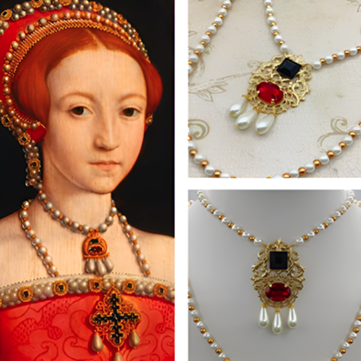
Queen Elizabeth I famously wore a ruby and pearl pendant in her portraits, symbolizing her authority during the Tudor era. Rubies represented power, passion, and protection, serving as talismans for monarchs to safeguard their reigns. This choice reinforced her image as an unshakeable ruler during England's Golden Age while highlighting the historical significance of rubies in royal regalia. Her jewelry, prominently featured in portraits like the Ermine Portrait and the Ditchley Portrait, conveyed a complex narrative of strength and virtue, reflecting her dual identity as both a powerful monarch and the "Virgin Queen.

The Stuart Sapphire

reviewer

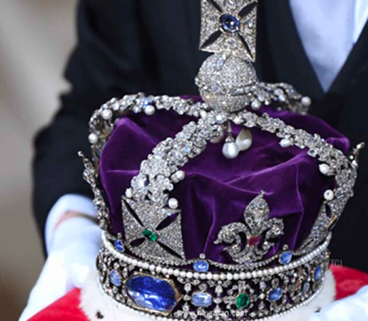
The Stuart Sapphire, a 104-carat blue sapphire with origins likely in Asia, has been part of the British Crown Jewels since the 17th century. First associated with James II, who carried it into exile during the Glorious Revolution of 1688, the gem later passed to King George III in 1807. Queen Victoria incorporated it into the Imperial State Crown, originally placing it at the front, but it was later repositioned to the back by Edward VII to make room for the Cullinan II diamond. The sapphire remains in the Imperial State Crown today, symbolizing loyalty, nobility, and the enduring heritage of the British monarchy.